
"coffee picking seasons"
3000 article(s) found

Description of the Flavor of Coffee picking and processing introduction to the characteristics of Coffee varieties in planting Environment
Introduction to the characteristics of varieties in the planting environment and production areas in Yunnan, this process is mainly accomplished by natural fermentation. The term fermentation is not 100% accurate because there is no biochemical reaction inside the coffee beans. It is more appropriate to call this process the use of biochemical reaction or hydrolysis to remove mucus. This reaction is caused by coffee berries.
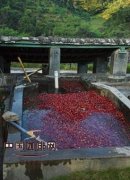
The steps of wet treatment of coffee beans after picking
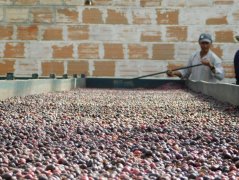
As the harvest season is almost over, I would like to add an overview of the coffee processing process. In this blog post, I will introduce to you the steps of wet treatment in Yunnan after coffee picking. After harvest, the berries are either sent directly to the pulp collector (if the harvest is done well), or concentrated in a siphon tank filled with water. The berries are here.

Introduction to the flavor description of manors in Kenyan coffee producing areas by means of flavor treatment
The flavor description of the manor in Kenya coffee producing area was first brought to Kenya by Bourbon bourbon. In the 1950s, through unremitting efforts, the then agricultural research institution, Scott Laboratory, selected two excellent hybrids, SL-28 and SL-34, subverting the fact that artificial breeding has not been superior to natural varieties for a long time.

Robusta coffee is also produced in the lowlands of western Kenya, introducing the flavor and taste characteristics of fine coffee.
Bourbon Bourbon was first brought to Kenya for planting. In the 1950s, the then agricultural research institution Scott Laboratory selected two excellent hybrids, SL-28 and SL-34, through unremitting efforts, subverting the long-standing prejudice of artificial breeding without excellent natural varieties. SL-28 and SL-34 helped Kenyan Coffee form its own unique
Processing method of taste characteristics of story hand-made flavor description in Kenyan coffee bean producing area
Kenya Coffee Bean Flavor description Taste Variety characteristics treatment Manor introduction Kenyan coffee varieties were first brought to Kenya to grow in Bourbon bourbon. In the 1950s, the then agricultural research institution Scott Laboratory made unremitting efforts to select two excellent hybrids, SL-28 and SL-34, subverting the long-standing artificial breeding.

Kenyan coffee in coffee producing areas known as the "Cup of connoisseurs" (Connoisseurs' Cup)
Kenyan coffee, known as the Cup of connoisseurs (Connoisseurs Cup), is famous in the coffee industry for its rich aroma, bright and vibrant acidity, full and elegant mellowness and red wine flavor. Caffeine in different producing areas has its own subtle flavor due to the difference of microclimate. Although the history of coffee in Kenya is adjacent to Ethiopia, the birthplace of coffee, coffee is grown.

Kenya coffee cultivation methods, Kenya coffee varieties Nyeri Central Mountain region Introduction
Kenyan coffee varieties were first brought to Kenya for cultivation as Bourbon Bourbon. In the 1950s, Scott Laboratory, an agricultural research institution at that time, made unremitting efforts to select SL-28 and SL-34, two excellent hybrids, overturning the long-standing bias that artificial breeding varieties were not superior to natural varieties. SL-28, SL-34 help Kenya

An introduction to the Grinding scale Manor by the method of Flavor treatment in Kenya Coffee producing area
Taste description of Kenyan Coffee production area Flavor treatment Grinding scale Manor introduction Bourbon bourbon was first brought to Kenya for planting. In the 1950s, the then agricultural research institution, Scott Laboratory, made unremitting efforts to select two excellent hybrids, SL-28 and SL-34, subverting the fact that artificial breeding has not been superior to natural varieties for a long time.

Understand the way coffee is harvested
Professional coffee knowledge exchange more coffee bean information Please follow the coffee workshop (Wechat official account cafe_style) to learn to brew coffee is not just to learn the techniques of coffee, for the variety of coffee beans, the characteristics of coffee beans and ways, etc., need to be carefully studied and understood. Only in this way can you master every step of learning to make coffee.

How much is the price of coffee fruit in 2018? how much is a jin of Yunnan coffee?
Professional coffee knowledge exchange more coffee bean information please follow the coffee workshop (Wechat official account cafe_style) how much is Yunnan coffee? Whether it is a chain of coffee brands or independent cafes, any cup of espresso sells for more than 30 yuan. For popular consumer drinks, this price undoubtedly belongs to the medium-to-high price. So as one of the main ingredients of coffee
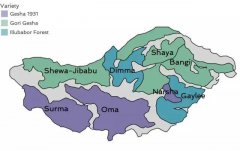
Raw bean file 2017 season Panama Jade Manor Red bid Rose Summer Geisha bidding Geisha washing treatment
The same thing, pronounced from a Japanese geisha. In 1931, a team of botanists visited southern Ethiopia and found a species of rose beans near the village of Gesha, with tall trees and larger seeds than ordinary Ethiopian beans. They take the seeds to Kenya, plant them in a nursery and grow up five years later, and they choose from the healthiest samples.

How coffee is sown and harvested
Seeds, not beans. In fact, coffee beans are the seeds of red-skinned coffee fruits that look like ripe cherries. Each fruit usually contains two seeds, which must be taken out and dried to produce two raw coffee beans to be roasted later. The coffee wrapped in endocarp will be planted to the seedbed and will germinate in 40-60 days and grow to about 50 cm in about 6 months after germination. In
Introduction to the characteristics of Manor Brand and Regional treatment of graded production of Coffee beans in Kenya
Kenya Coffee Bean Manor Brand characteristics graded production Regional treatment method Kenya is a well-known producer based on the size of coffee beans. Usually divided into nine grades, according to the bean type, there are PB, that is, round beans, accounting for about 10% of the total output, in addition to E (elephant beans), AA, AB, C, T, TT, MH, ML according to size. Kenyan coffee related agency KCPTA: Kenny
Effect of roasting degree on flavor of Colombian coffee beans from coffee factory to cup coffee bean production
Coffee production: timeline from coffee factory to cup Colombian coffee plants grow on steep slopes, usually dotted with banana plants, providing shade and spongy water. Coffee plants blossom and turn into coffee cherries. These will start green and then mature when they turn red. Coffee cherries are picked twice a year, usually during the rainy season, and can be picked every day or at most every 8.

How to form Coffee Alcohol degree-- the cause of Milk Coffee spot formation
How to form the alcohol degree of coffee and picking by hand is a labor-intensive operation with high cost. Therefore, it is mainly used to pick high-quality Arabica coffee beans. This is only the first step in the production of high-quality coffee, and it is also the way to pick coffee in Yunnan. Fresh fruits need to be peeled on the day of picking, followed by fermentation, cleaning and drying to ensure the protection of coffee beans.

What are the characteristics of coffee in Rwanda
Following Kaiping (official Wechat account vdailycom) found that the coffee harvest season for coffee fruits at the beautiful cafe opened its own shop is during the main rainy season in the area, from March to the end of May. During the harvest season, farmers spend most of their day picking coffee fruits by hand. In the afternoon, the farmer held the coffee fruit in a traditional basket made of banana leaves.

Travel Notes of Aigao Coffee Manor in Pu'er. How about Coffee in Aidan Manor? coffee cultivation in Aidan Manor
Professional coffee knowledge exchange more coffee bean information please follow the coffee workshop (Wechat official account cafe_style) and then to Yunnan coffee picking mature season, coffee friends from Hubei organized a group to Pu'er Aili Manor to start a coffee trip, riding in the plateau pastures, shuttling through the rainforest to pick coffee fruits, learn about the past life of a coffee, and then eat a farm ecological cloud

Robusta Coffee picking time-how to drink Coffee Powder Flavor description Grinding scale Manor introduction
Robusta Coffee picking season-how do coffee powder drink flavor description Grinding scale Manor introduction most Arabica coffee beans mature from June to August, Robasta coffee beans are from September to October. Therefore, although in some countries where the dry and wet seasons are not obvious, such as Colombia and Kenya, there are two flowering periods a year, that is, two harvests, but strictly speaking, there is only one harvest a year.

A brief introduction to Brazilian Coffee
Coffee varieties: both Arabica and Robusta are raw and manufactured, of which Arabica accounts for 70% to 80%. Among Arabica coffee varieties, there are Modo Novo, Catuai, Bourbon, Maragoripe and so on. Coffee harvest can usher in three or four harvest seasons in a year, and mechanical picking is extremely widespread. The path of picking is very different from that of other masterpieces. Mechanical picking

Where does the real smell of coffee come from?
In a coffee obsession like mine, there is no smell comparable to the smell in the coffee field during the flowering period.